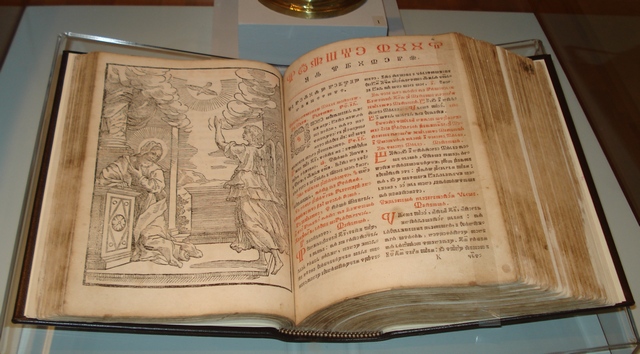
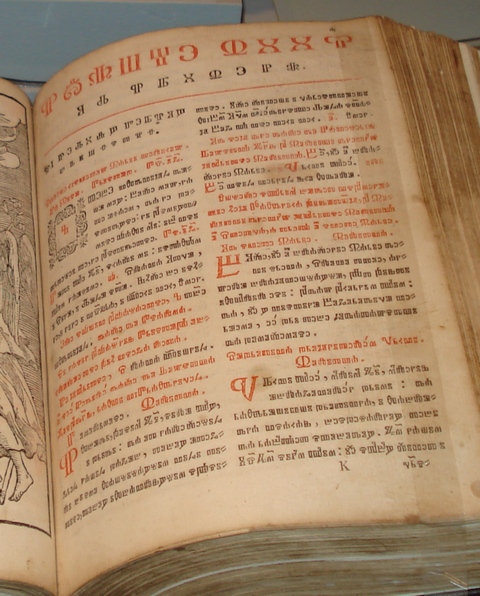
Bosnian Church - Krstyans
The earliest mention of
a Catholic diocese in Bosnia dates
from 1089 (i.e. from the 11th century). It was called Bosnian
Diocese, and its center was in Vrhbosna
(present-day
Sarajevo).
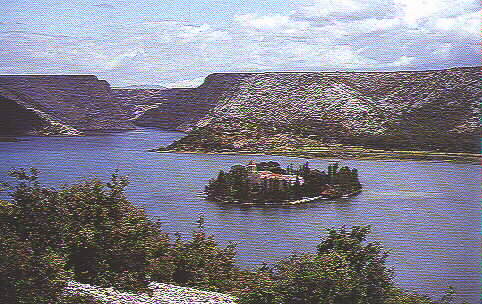
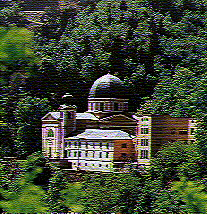 Deep
traces were left by the Bosnian
Franciscans, present on Bosnian
soil since 1291 (only 80 years
after the foundation of the Franciscan order). They were beloved by
people, for being educated and humble, for keeping the national and
religious identity of the Croats. In 1376 they had 35 Catholic
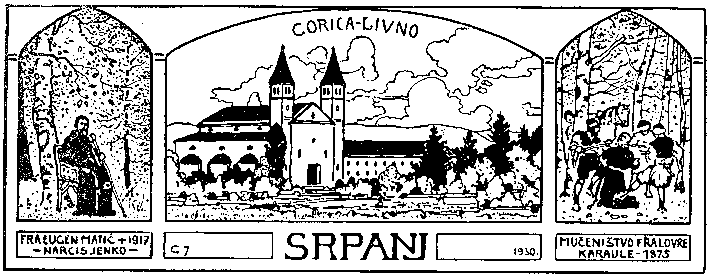
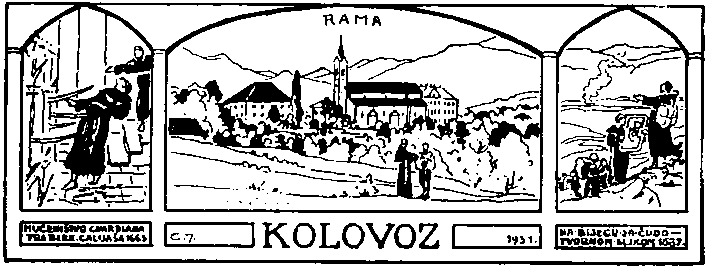
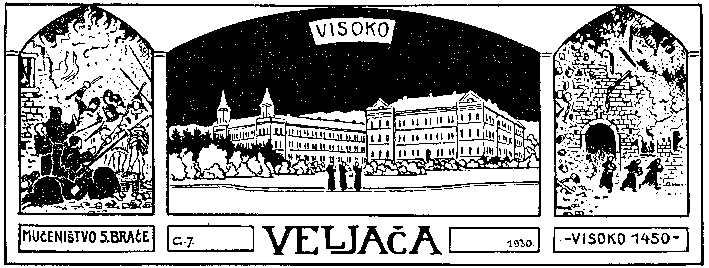
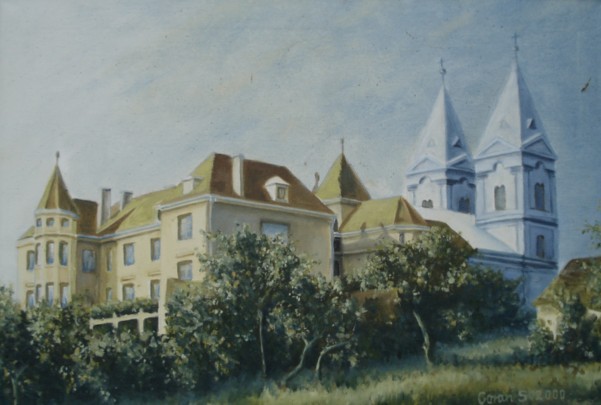
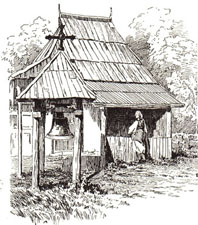
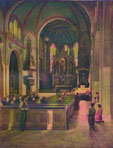
monasteries and about 400 missionaries (the Fojnica
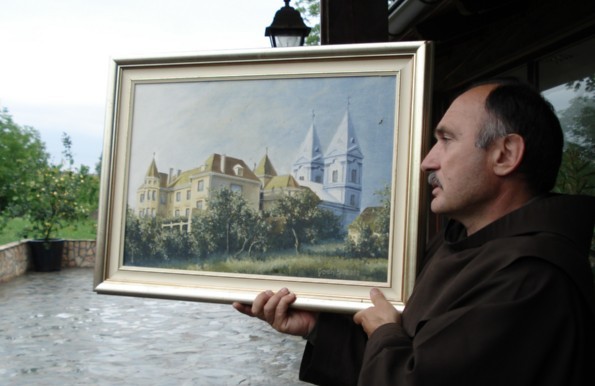
(Hvojnica) monastery is on the
photo on
the left; on the right is the famous Visovac
monastery on the
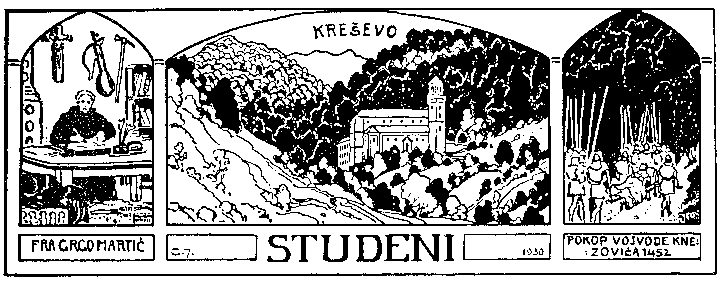
Krka river, founded in 1445 by Bosnian Franciscans from Kresevo,
middle Bosnia;
shelled by the Serbs in 1991). In Turkish time, by a special Charter (Ahdnama,
1463) from the Sultan, the Bosnian
Franciscans and their Croatian Catholics had a guaranty to live in
peace and freedom in his Empire. However, in reality it was rather
different. Three Franciscan bishops in Bosnia had been killed by the
Turks despite ostensible protection: in 1545, 1564, 1701, not to
mention priests and ordinary people. From 1516 to 1853 a decree was
issued by the Turks that Catholics are not allowed to build new
churches, but only to repair those built before 1463.
Deep
traces were left by the Bosnian
Franciscans, present on Bosnian
soil since 1291 (only 80 years
after the foundation of the Franciscan order). They were beloved by
people, for being educated and humble, for keeping the national and
religious identity of the Croats. In 1376 they had 35 Catholic
monasteries and about 400 missionaries (the Fojnica
(Hvojnica) monastery is on the
photo on
the left; on the right is the famous Visovac
monastery on the
Krka river, founded in 1445 by Bosnian Franciscans from Kresevo,
middle Bosnia;
shelled by the Serbs in 1991). In Turkish time, by a special Charter (Ahdnama,
1463) from the Sultan, the Bosnian
Franciscans and their Croatian Catholics had a guaranty to live in
peace and freedom in his Empire. However, in reality it was rather
different. Three Franciscan bishops in Bosnia had been killed by the
Turks despite ostensible protection: in 1545, 1564, 1701, not to
mention priests and ordinary people. From 1516 to 1853 a decree was
issued by the Turks that Catholics are not allowed to build new
churches, but only to repair those built before 1463.
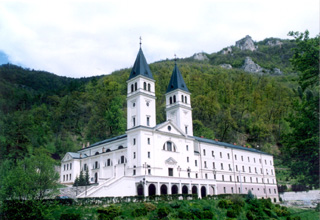
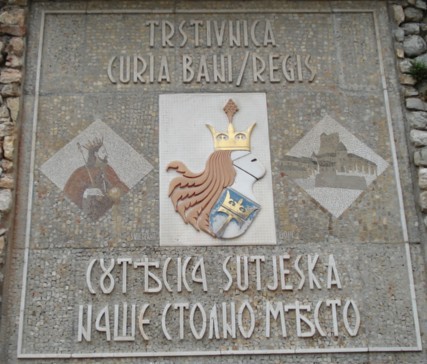
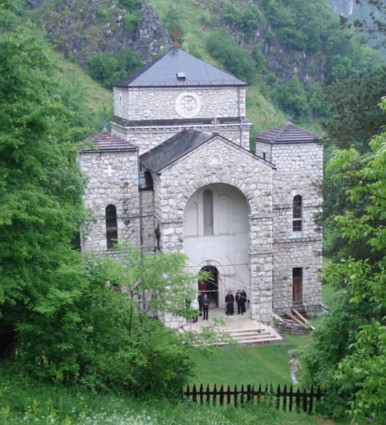
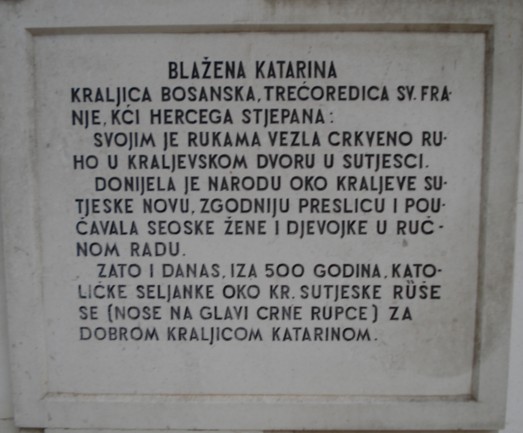
Kraljeva
Sutiska
(or Kraljeva Sutjeska = Royal Gorge)
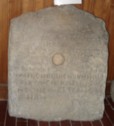

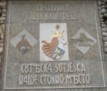
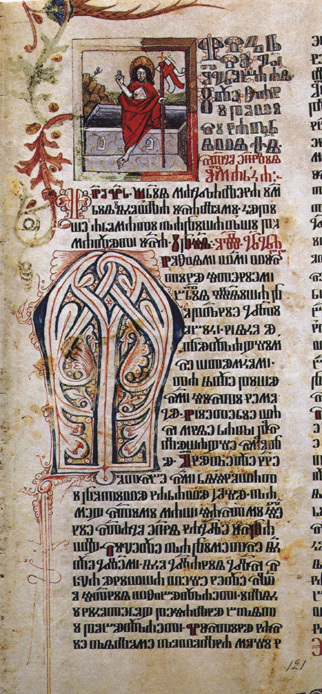
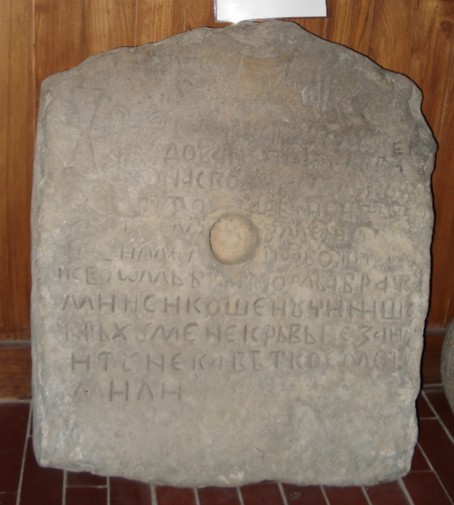
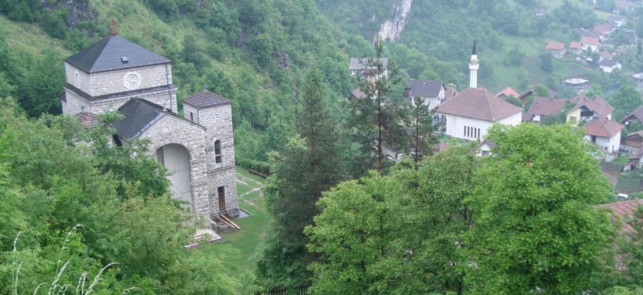
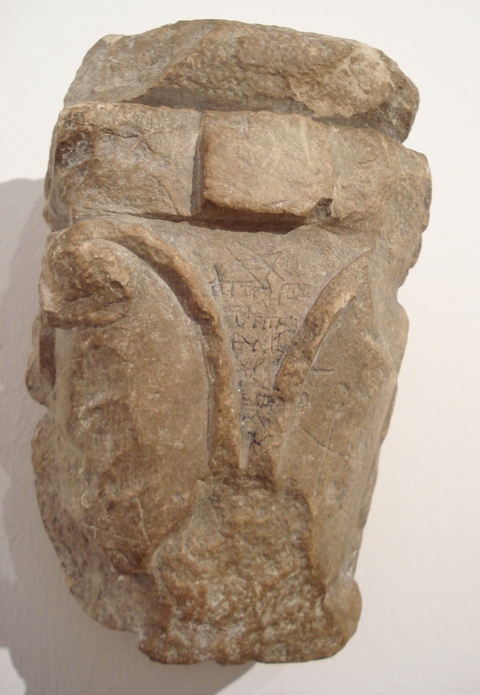
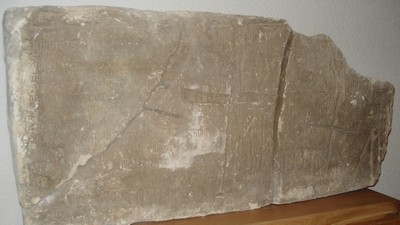
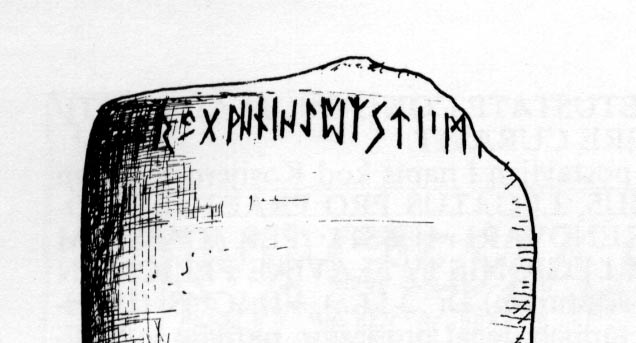
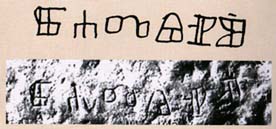
An
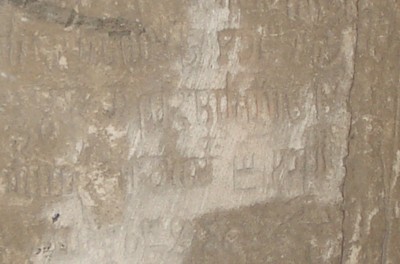
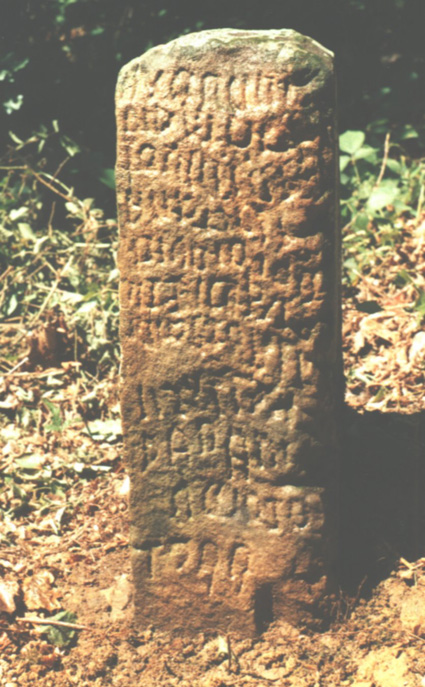
old and contemporary inscriptions in Croatian
Cyrillic
in Kraljeva sutiska
(on the left: + V ime Bozje,
se lezi Radovan Pribilović, na svojoj
zemlji plemenitoj, na Ricici; bih s bratom se razmenio, i ubi me Milko
Božinić, sa svojom bratijom; a brata mi isikoše i učinise vrhu mene krv
nezaimitnu vrhu; Nek (zna) tko je moj mili.
Even some of Catholic
churches built before 1463 were
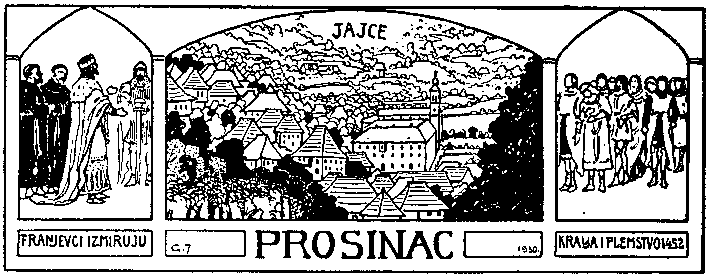
transformed into Muslim mosques (for example in Foca, Bihac, Jajce,
Srebrenica, etc.). So in 18th century only three monastic Catholic
churches were left (in Fojnica, Kraljeva Sutiska and in Kresevo), and
two small churches (in Podmilacje and Vares), see [Gavran,
IV, p. 103.
About
Ahdnama and the question of its
authenticity see two articles by Sasa Sjeverski in Stecak, Sarajevo,
56/1998, pp 28-29, and 57/1998, pp 14-15.

An outstanding European
intellectual of his time was Georgius Benignus
(Juraj Dragisic, ?1454 -
1520), a Croat born in Bosnia, in the town of Srebrenica.
Today the richest
library in Bosnia-Herzegovina is in the
Franciscan monastery of Mostar (bombed by the Serbs in 1992). The most
famous Croatian Franciscan is St.
Nikola Tavelic (born in
Sibenik about 1340-1391), a missionary in Bosnia and Yerusalem, a
martyr whom Pope Paul VI proclaimed a Saint in 1970. We should also
mention another Franciscan-capuchin, St.
Leopold Mandic (1866-1942), who
was a forerunner of today's Ecumenism.
The
Franciscan province in Bosnia was
called
Bosna Srebrena (Bosnia
Argentum)
 i.e.
Silver Bosnia.
Since the 19th century its site is in Sarajevo. This very old name was
derived from the name of the city of SREBRENICA
which in pre
turkish times (before the end of the 15th century) had been known as an
important Catholic center in north-eastern Bosnia (in Croatian srebro =
silver). Due to the existence of the famous Franciscan monastery in
Srebrenica, the whole Franciscan province in Bosnia obtained its name
from it. Srebrenica was also an important mining center, known from the
Roman times. It had been settled also by the Dubrovnik merchants and
Saxonian miners from Germany. Even today there is a small village near
Srebrenica called Sase, whose name has been derived from the name of
Saxons.
i.e.
Silver Bosnia.
Since the 19th century its site is in Sarajevo. This very old name was
derived from the name of the city of SREBRENICA
which in pre
turkish times (before the end of the 15th century) had been known as an
important Catholic center in north-eastern Bosnia (in Croatian srebro =
silver). Due to the existence of the famous Franciscan monastery in
Srebrenica, the whole Franciscan province in Bosnia obtained its name
from it. Srebrenica was also an important mining center, known from the
Roman times. It had been settled also by the Dubrovnik merchants and
Saxonian miners from Germany. Even today there is a small village near
Srebrenica called Sase, whose name has been derived from the name of
Saxons.
We know that in the
region of north-eastern Bosnia, to which
also the city of Srebrenica belongs, there existed a large number of
Catholic churches and six Franciscan monasteries. This witnesses about
deeply rooted Catholic tradition in this area before the Turkish
occupation in the second half of the 15th century.
The
names of many toponyms in this area,
as well as elsewhere, reveal its Croatian origin: 
- HRVATSKE
njive (HRVAT = CROAT) on the river
Drina near Zvornik,
- the nearby village HRVACICI,
- the village of HRVATI
near Tuzla,
- HRVATI
near Brcko,
- HRVATSKO
brdo near Repnik,
- HRVATOVCI
near Gradacac,
- the village BISKUPICI
(Biskup = bishop; and not
Episkopici'') etc.
A district in Sarajevo was called HRVATIN
in the past.
It would be in vain to search for typical Serbian Orthodox church names
like eparchy (eparhija), episcopacy (episkopija), hrischan anywhere in
Bosnia before the 15th century.
Now
we would like to provide an
impressive list of
FRANCISCAN
MONASTERIES
IN
BOSNIA - HERZEGOVINA BEFORE 1463
i.e. monasteries that we
know to have existed before the
Turkish occupation of Bosnia in 1463.
|
Central
and western Bosnia:
- Bihać
- Krupa
- Obrovac
- Bila Stina
- Otoka
- Kamengrad
- Ostrovica
- Bilaj
- Podnovi
- Zvečaj
- Livce
- Krupa
- Kraljeva
Sutjeska (Sutiska)
- Olovo
- Kreševo
- Lašva
(near Travnik),
- Kaštela u
Zahoru,
- Jajce
- Jezero
- Greben
- Vesela Straža
- Rama
- Livno
- Duvno
- Glamoč
- Podbila.
|
Northern
and north-eastern Bosnia:
- Srebrenica
- Ljubovija
- Teočak
- Zvornik
- Polje kod
Bijeljine
- Bijeljina
- Gradovrh kod
Tuzle
- Soli
(Tuzla)
- Mile
(Miloševac)
- Modriča
- Skakava
- Tešanj
- Glaz
Hum
(today's Herzegovina):
- Mostar
- Ljubuški
- Konjic.
|
Just for comparison, immediately before
the
Serbian aggression that started in 1991/92 Bosnian Franciscans had
altogether 25 monasteries (three of them outside of Bosnia -
Herzegovina: two in Belgrade and one in the Kosovo region).





This list is
for sure
not complete, but it tells us already
enough. It is clear that Catholic churches in Bosnia were much more
numerous than Franciscan monasteries. According to the Turkish census
of population in Bosnia from 1570 even the city of Foca on the river
Drina had Catholic majority at that time. The ethnic and religious
picture of Bosnia - Herzegovina has changed especially drastically in
the 17th and 18th centuries in favor of Muslims and Orthodox
Christians.
In
1658 a Franciscan Ivan
from Foča sent a
request to
the Pope in the Vatican for permission to use Croatian language, "as
was allowed to all priests in the province of Dalmatia" (...come pure
concesta a tuti gli sacerdoti della provincia di Dalmazia), meaning of
course the Croatian
Glagolitic liturgy. See [Strgačić],
p. 388.
Here Foča
is a small town on the north of Bosnia (in
Bosanska Posavina, between the towns of Derventa and Doboj), and
not Foca on the river Drina. Many thanks to Mr. Ilija Ika Ilic for this
information.
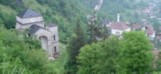
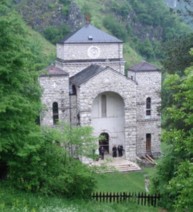
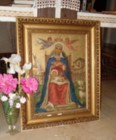
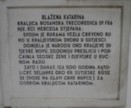
Very
important
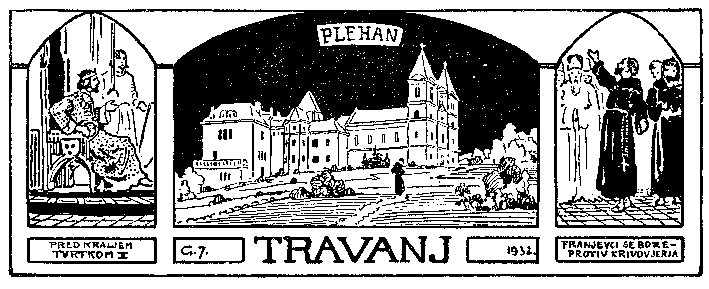
franciscan monastery of Plehan
with the accompanying
church have been completely destroyed in 1992., using two tons of
explosive, during Greater Serbian aggression on Bosnia - Herzegovina
(1991-1995), see [Baltić,
p. 6
of dr. fra Andrija Zirdum's introduction].
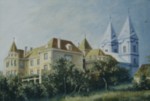
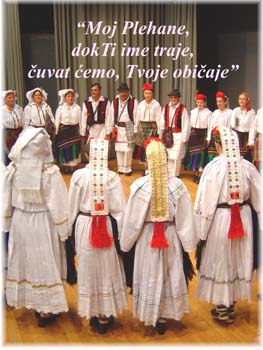
Photo from www.plehan.ch
Very valuable library, museum and
historical
archives in Plehan have been burnt down. For more information see
Project
Plehan, Plehan - a Beacon for Croatians in
Bosnia, an interview with Fra Mirko Filipovic
in Glas
Koncila, and Bosna Srebrena.
A well known fact from
the history of Bosnia (as well as
recent) is that successes in the defense of the Croatian territories
from Turkish onslaughts were followed by savage reprisals over the
remaining Croatian Catholics in occupied areas (in today's Bosnia -
Herzegovina and parts of Croatia). In this way many Catholic churches
and monasteries disappeared and large ares in Bosnia had been emptied
from the Croats. Especially infamous was gazi Husref - Beg, army leader
of sultan Suleiman the Magnificent (16th century).
In this way the emptied
areas had been populated by Muslim
and Valachian settlers. Catholic churches were transformed into mosques
like in Srebrenica, nearby Zvornik on the river of Drina, and in many
other places.